The Evolution of Roofing Materials: From Traditional to Modern Innovations Jul 12, 2026
In ancient times, roofing materials were primarily dictated by the natural resources readily available in local areas. Thatch, made from water reeds or straw, was a common material in many cultures. Its lightweight and insulating properties made it an easy choice for early builders. However, thatch required regular maintenance and posed significant fire risks.
Moving forward, clay tiles emerged as a breakthrough solution. Especially prevalent in the Roman Empire and across Asia, clay tiles provided better durability and fire resistance compared to thatch. Their ability to withstand harsh weather conditions made them an attractive choice for more permanent structures.
The Middle Ages saw the advent of slate roofing across parts of Europe. Known for its robustness, slate quickly became a marker of wealth and permanence. Its natural ability to shed water and withstand heavy winds made it one of the longest-lasting materials available. However, the high cost and weight of slate made it less accessible for the average homeowner.
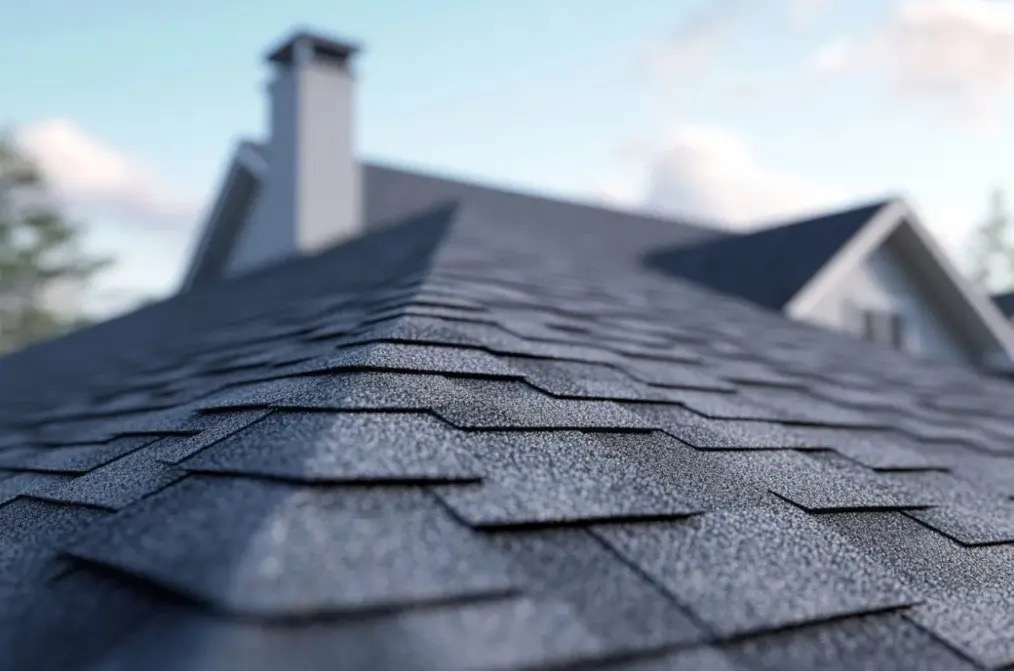
With the dawn of the industrial age, the roofing industry transformed yet again. Asphalt shingles, which were introduced in the early 20th century, revolutionized how roofs were constructed and maintained. Made from a combination of asphalt and fiberglass, these shingles offered a blend of affordability, lightweight design, and ease of installation that appealed to the booming American suburban lifestyle. Easily customizable in terms of color and texture, asphalt shingles became the staple of residential roofing.
In recent years, the drive for sustainability and energy efficiency has spurred further innovation. Metal roofing, once restricted to barns and industrial applications, has seen a resurgence in popularity for both residential and commercial buildings. Metal roofs not only provide unmatched longevity and recyclability, but they also reflect solar radiant heat, reducing cooling costs in hot climates.
The past few decades have also witnessed the rise of green roofing systems. These systems, often referred to as living roofs, integrate vegetation layers over waterproof membranes. Green roofs offer excellent insulation, reduce urban heat island effects, and enhance urban biodiversity. Despite higher upfront costs, these systems appeal to environmentally conscious consumers and city planners alike.
Solar roofing represents a pinnacle of modern roofing innovation, seamlessly integrating photovoltaic panels into traditional roofing designs. These systems generate renewable energy, aligning with the increasing consumer demand for sustainability. Interscope Roofing is proud to offer guidance and expertise in implementing such pioneering solutions, paving the way for self-sufficient and environmentally friendly buildings.
Today’s homeowners demand roofing solutions that blend practicality with aesthetic appeal and environmental responsibility. As the roofing industry continues to evolve, Interscope Roofing remains dedicated to offering customers the latest in high-quality, sustainable roofing options. By leveraging both traditional techniques and modern ingenuity, we ensure that our clients receive the best possible protection and value for their investments. As we look to the future, the adaptability and ingenuity of roofing materials promise even more exciting developments, keeping your homes and businesses safe, stylish, and sustainable for generations to come.
/filters:no_upscale()/filters:format(webp)/media/336ebb8e-84c5-4e5c-8493-478e94cac45a.png)