Understanding Roof Lifespan: Factors that Affect Durability and Longevity Jul 16, 2026
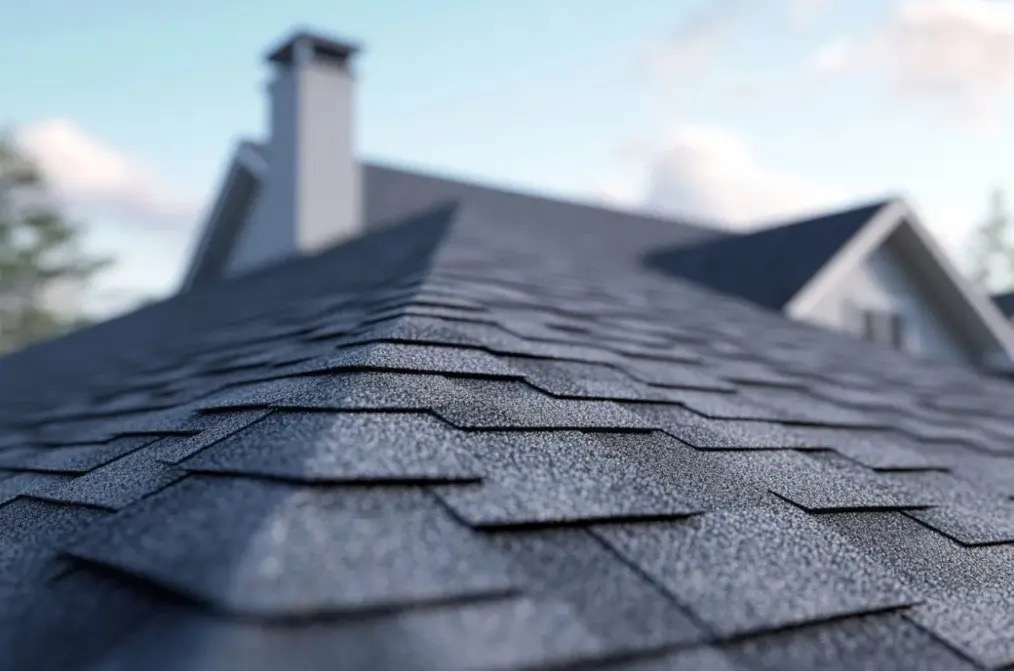
The average lifespan of a roof largely depends on the material used, with some types lasting significantly longer than others. For example, asphalt shingles, one of the most common roofing materials, typically last 15 to 30 years. Metal roofing boasts a longer lifespan of 40 to 70 years, while tile, slate, and concrete roofs can endure for over 50 years with proper maintenance. Understanding the lifespan expectations of each material can help you choose the right option for your home based on your long-term needs and budget.
Weather and climate play a significant role in a roof's durability. Extreme weather conditions, such as heavy rain, high winds, or hailstorms, can cause substantial wear and tear. Homes in regions with harsh climates require more resilient roofing materials that can withstand these elements. For instance, metal roofs or impact-resistant shingles can offer better protection against wind and hail damage compared to traditional asphalt shingles.
Another crucial factor is the quality of installation. Poor installation can significantly reduce the effectiveness and longevity of your roof, regardless of the material used. Hiring a reputable and experienced roofing contractor like Interscope Roofing ensures that your roof is installed correctly, providing optimal protection for your home. We emphasize the importance of addressing minor issues during installation, as neglecting them can lead to more severe problems and expenses over time.
Routine maintenance and inspections are also paramount in maximizing a roof's lifespan. Regular inspections can identify potential weaknesses or damage before they escalate into more severe issues. Cleaning gutters, removing debris, and checking for loose or damaged shingles are simple preventive measures that can be done seasonally. Moreover, timely repairs can prevent minor issues from developing into costly problems.
The roof's ventilation and insulation impact its durability and longevity. Proper roof ventilation helps regulate temperature and moisture levels, preventing issues such as mold growth and thermal shock that can shorten the roof's lifespan. Adequate insulation, on the other hand, helps maintain a stable indoor temperature, reducing the strain on your roof and the overall energy consumption of the home.
Furthermore, the roof's slope or pitch can influence its life expectancy. A steep slope might effectively shed water and resist water pooling, reducing the likelihood of leaks or water damage. Conversely, low-sloping roofs may require more frequent inspections and maintenance to avoid water accumulation.
Finally, local building codes and regulations also influence roofing choices. Some areas have specific requirements that might dictate the type of materials or installation practices allowed. Staying informed about these regulations ensures that your roof not only complies with local laws but is also optimized for longevity in your area.
In conclusion, several factors affect the lifespan of your roof, including material choice, weather, installation quality, maintenance practices, ventilation, and building codes. As a trusted roofing company, Interscope Roofing is committed to helping our clients make informed decisions, providing them with high-quality services that ensure their roofs stand the test of time. Whether you're considering a new roof or looking to extend the life of your existing one, understanding these factors can help you make the best choice for your home.
/filters:no_upscale()/filters:format(webp)/media/336ebb8e-84c5-4e5c-8493-478e94cac45a.png)